
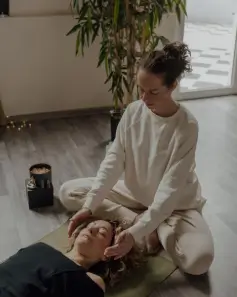
“You don’t get stronger from working out—you get stronger from recovering from your workouts.”
That statement might sound backward to many athletes and active adults, but it’s one of the most overlooked truths in fitness and performance. Whether you’re training for a marathon, grinding through CrossFit workouts, or just trying to stay active while juggling work and life—recovery is the missing piece that separates progress from burnout.
At Pro+Kinetix Physical Therapy & Performance, we see it every day. People in Oakland, San Diego, and Des Moines who push themselves hard but stall in performance or get sidelined by injuries—not because of their workouts, but because of their lack of recovery.
In this article, we’ll unpack what recovery truly means, why it matters, the biggest mistakes people make, and how you can start maximizing it today to feel and perform your best.
🔍 Why Recovery Matters More Than You Think
Recovery isn’t just about taking a day off. It’s a strategic process where your body repairs, rebuilds, and strengthens itself after physical or mental stress. Every time you train, you’re breaking down muscle fibers, depleting energy stores, and stressing your nervous system. Without recovery, that stress accumulates—and that’s when pain, fatigue, and injury show up.
Common Misconceptions About Recovery
- “Rest is laziness.” Recovery doesn’t mean doing nothing—it’s an active process that fuels growth.
- “Sleep is optional.” Skipping sleep is one of the fastest ways to sabotage performance and health.
- “If I’m not sore, I didn’t train hard enough.” Soreness doesn’t equal progress—it often signals poor recovery.
Why This Matters
Neglecting recovery can cause:
- Chronic soreness and stiffness.
- Plateaued strength or endurance.
- Hormonal imbalances or poor sleep.
- Higher risk of injury and burnout.
We’ve seen it countless times—runners around Lake Merritt in Oakland logging extra miles, or athletes training hard at Mission Trails Regional Park in San Diego, wondering why they’re slowing down instead of improving. The answer is almost always the same: not enough recovery.
💡 The Science and Art of Recovery
True recovery is both scientific and individualized. It’s not just foam rolling or taking a day off—it’s a combination of intentional habits that help your body and mind recharge.
✅ 1. Sleep: The Ultimate Recovery Tool
No supplement or recovery gadget comes close to the power of quality sleep. During deep sleep, your body releases growth hormone, repairs tissue, and consolidates motor learning from your training.
Aim for 7–9 hours per night—and if you’re training intensely, closer to 9. Set consistent sleep and wake times, avoid screens an hour before bed, and create a calm, cool sleep environment.
✅ 2. Nutrition: Fueling Recovery from the Inside
Protein rebuilds muscle. Carbs replenish glycogen. Fats regulate hormones. Micronutrients support repair.
Think of food as part of your training plan, not an afterthought. In Des Moines, we often recommend local spots like Gateway Market Café for balanced post-workout meals that combine lean protein, complex carbs, and greens.
✅ 3. Hydration: Small Habit, Big Impact
Even slight dehydration (1–2%) can impact strength, coordination, and focus. Replace fluids throughout the day—especially after sweating through a training session or a long hike at Redwood Regional Park in Oakland.
✅ 4. Active Recovery
Recovery doesn’t have to mean sitting still. Low-intensity movement—like walking, mobility work, or light swimming—can boost blood flow, decrease soreness, and help your body flush out metabolic waste.
Try:
- A recovery run along Gray’s Lake Park in Des Moines.
- A gentle yoga session at CorePower Yoga in San Diego.
- Foam rolling or mobility work after workouts in Oakland.
✅ 5. Mental Recovery
Your brain needs recovery, too. Chronic stress keeps your body in a “fight or flight” mode, which slows down healing and increases fatigue. Meditation, deep breathing, or simply unplugging for 10 minutes can reset your system and enhance focus.
⚠️ Common Mistakes People Make with Recovery
Even well-intentioned athletes and professionals get recovery wrong. Here are some of the biggest pitfalls we see—and how to fix them.
❌ 1. Overtraining and Under-Recovering
Training hard every day might feel productive, but it’s a recipe for burnout. Muscles and tendons need time to adapt. Without that rest, you risk tendonitis, fatigue, and loss of motivation.
Fix it: Schedule recovery days just like training days. If it’s not on your calendar, it won’t happen.
❌ 2. Confusing Inactivity with Recovery
Watching Netflix all day after a hard workout doesn’t necessarily count as recovery. True recovery involves movement and intention—light activity that restores, not drains.
Fix it: Replace total rest days with “active recovery days”—like stretching, swimming, or cycling at a conversational pace.
❌ 3. Neglecting Nutrition and Sleep
You can’t out-train poor recovery habits. Missing meals, sleeping five hours, or overloading on caffeine disrupts your body’s ability to rebuild.
Fix it: Prioritize meal timing and sleep hygiene. Your muscles rebuild while you rest—not while you’re scrolling your phone at midnight.
❌ 4. Ignoring Early Warning Signs
Nagging aches, persistent fatigue, or slower recovery time are early signs of overtraining. Ignoring them can lead to more serious injuries.
Fix it: Listen to your body. A smart athlete knows when to push and when to pause.
🧭 Practical Steps to Improve Recovery Today
You don’t need to overhaul your lifestyle to start improving recovery—just small, consistent changes.
✅ Step 1: Create a “Recovery Routine”
Schedule recovery into your weekly plan. Include:
- One full rest day (no high-intensity training).
- Two active recovery days (yoga, stretching, mobility).
- One recovery-focused evening routine (foam rolling, journaling, early bedtime).
✅ Step 2: Hydrate and Refuel Immediately After Training
Have a recovery shake or meal within 30–60 minutes of finishing your workout. A mix of protein + carbs helps repair tissue and restore energy.
✅ Step 3: Use Recovery Tools Wisely
Tech can enhance recovery when used properly:
- Compression boots (like Normatec).
- Massage guns or foam rollers.
- Cryotherapy or cold plunges—especially popular in San Diego for surfers and lifters.
✅ Step 4: Embrace Active Recovery
Try local options like:
- Oakland: Gentle jog or mobility work near Lake Merritt.
- San Diego: Light paddleboarding session at Mission Bay.
- Des Moines: Evening walk or yoga at Gray’s Lake Park.
✅ Step 5: Track Your Recovery
Use wearable devices or apps that measure HRV (Heart Rate Variability) and sleep quality to gauge recovery trends. If your recovery metrics dip, scale back training accordingly.
🗣️ Real Stories of Transformation
“I used to think recovery was just for elite athletes. Once I started prioritizing sleep and mobility, I noticed my pain disappearing and my energy skyrocketing.” – Mark, Oakland
“As a surfer in San Diego, I was training every day. After adding recovery days and using cold plunges, I’m performing better than ever—and no more shoulder pain.” – Julia, 33
“In Des Moines, I run long-distance races. I used to think more mileage meant faster times. Now that I prioritize recovery, I’m faster and injury-free.” – Tina, 41
🏁 Conclusion: Recovery Isn’t Rest—It’s Performance
Recovery isn’t weakness. It’s where the growth actually happens. The athletes who perform best, the professionals who stay sharpest, and the people who feel their best aren’t the ones who do the most—they’re the ones who recover the best.
When you take recovery seriously, you’ll notice:
- Fewer injuries.
- More energy.
- Better sleep.
- Faster progress toward your goals.
So the next time you think about skipping rest, remember: Recovery isn’t time lost—it’s performance gained.
🎯 Call to Action
If you’re ready to optimize your recovery and unlock your full potential, we can help.
👉 Book a Free Recovery Evaluation with Pro+Kinetix Physical Therapy & Performance.
📍 Clinics available in Oakland, CA, San Diego, CA, and Des Moines, IA
📅 Most appointments available within 48 hours
📞 Call us at (510) 338-7283 to schedule today
Move better. Recover smarter. Perform stronger.


